
Curated travel experiences

The Adventure Issue

Live your adventure in 2022. 

Leopard has had some wonderful new enquiries and bookings to start the year. The sense I get from people who are booking holidays right now is that after 2 years of monotony and routine, they are in need of an escape from reality and sweet new adventures to look forward to this year. 

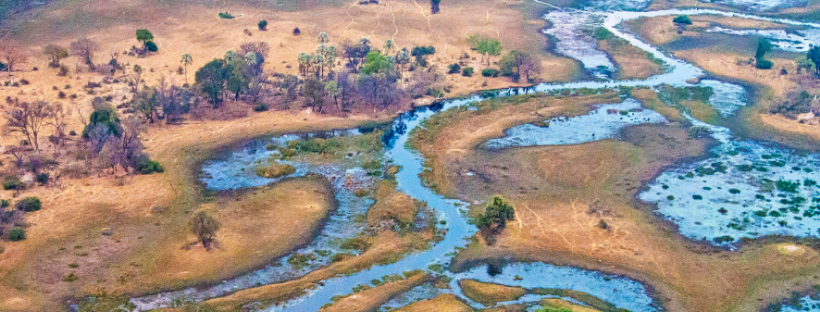
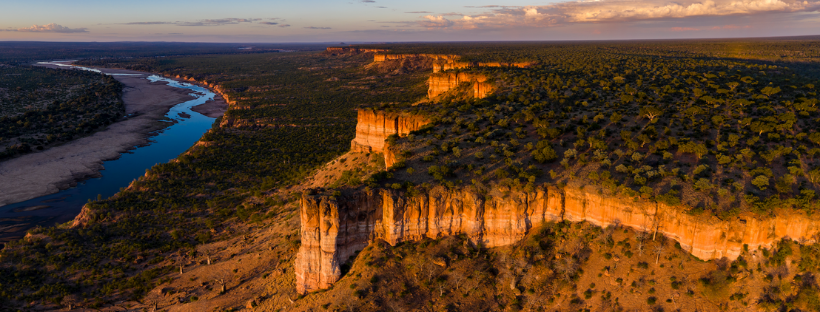
One booking in particular has given me a deep longing to get back into some of our remote and pristine wilderness areas. My brief was to find somewhere in Zimbabwe that was far from crowds and had the possibility of seeing painted wolves. Gonarezhou National Park in the south east of the country came to mind. It is not often that one gets a client willing to travel so far off the beaten track, with increased logistical costs, in order to reach less travelled areas such as these. This client is based in San Fransisco and has dreamed of travelling to Zimbabwe for 10 long years. It has been a privilege to help her plan her dream escape. 

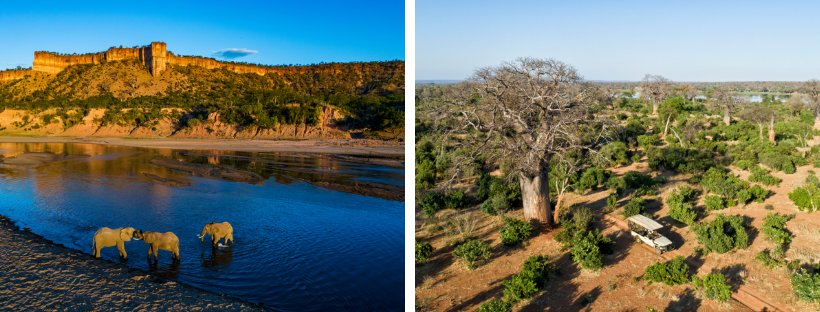
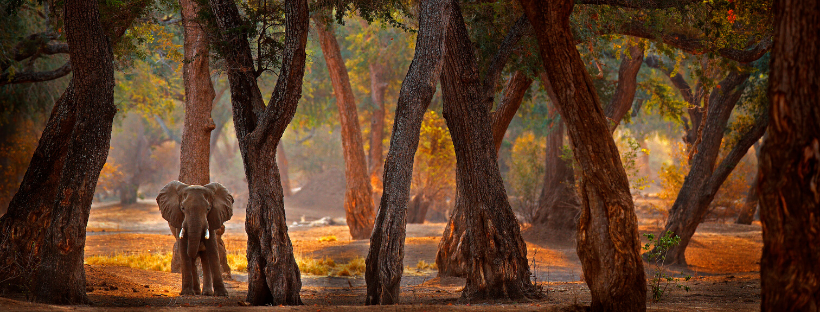
Gonarezhou is a special place, which only a few people will get to visit in our lifetimes. This is due to lack to accommodation options and accessibility. But those who do make it out this far, will have a holiday to remember forever. Gonarezhou means “place of elephants” in the local language, and it is a fitting name, being home to at least 11,000 ellies. Scott Ramsay writes on his website, “About 7 000 visitors come to the park annually. This may seem paltry compared to Kruger’s one million, but just a decade ago almost no one visited.”

Gonarezhou National Park, Zimbabwe

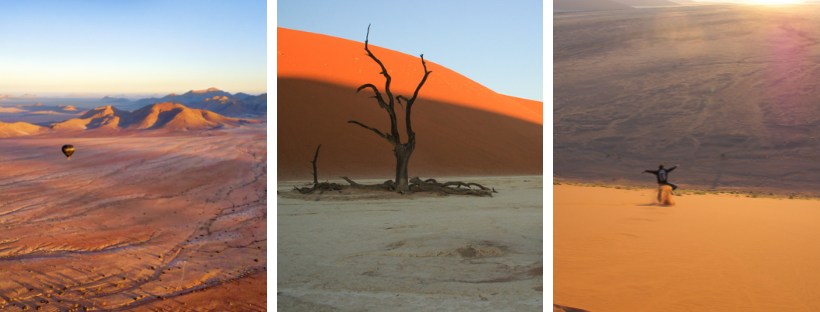
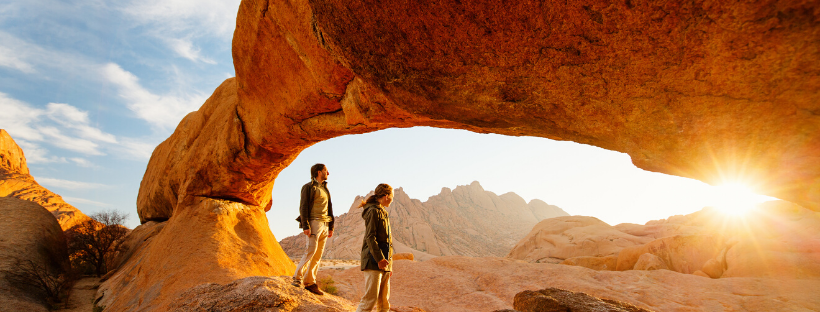
If you’re looking for a wilderness escape, you don’t need to look very far for inspiration. To get off the grid, and disconnect completely from life as you know it, I suggest Mapungubwe, the Richtersveld, Namibia, Bangweulu Wetlands, Mana Pools or Gonarezhou. You can read recent blog posts about Mapungubwe here, the Richtersveld here, the Welwitschias of Namibia here, and the shoebills of the Bangweulu Wetlands here

“You’re off to great places. Today is your day. Your mountain is waiting. So, get on your way!” – Dr Suess

I hope this February newsletter has inspired you to start thinking about your next adventure in 2022 or beyond. As always, we are here to support you in planning your adventure.

Happy travelling!

Diana

P.S. We have updated our website with some new photography and testimonials, take a look and let us know that you think!

Sign up for more newsletters like this here: https://mailchi.mp/2e4afa50d15f/leopard
The New Year Issue

Enthusiastically welcoming 2022. 

After the emotional rollercoaster of 2021, I hope we are headed for happier times in 2022. In particular, I trust travel bans are behind us. The omicron peak is behind us here in South Africa and life is close to normal. 

In general, I feel optimistic that 2022 will be a kinder year for everyone. I am looking forward to family reunions, returning to normal travel personally and professionally, and welcoming clients to South Africa in an uninterrupted fashion. 

I don’t know about you, but at the beginning of a new year, I love to plan and dream about the holidays I will take in the upcoming 12 months. This year I have a few big trips in mind, as well as a number of smaller getaways planned. My husband has left the flexible but stressful world of entrepreneurship for a job in a big corporation and so optimising leave days around public holidays will become an important part of our planning. It reminded me of one of my best negotiations.

I once negotiated 60 days of leave per year for a 10% reduction in salary. It was a lot of time off, and it allowed me to pursue my greatest passion – travel, and was certainly one of the best things I’ve done. Unfortunately not all employers are so flexible, and most people have to optimise limited time off. I have found that those with the least leave days are the most discerning about how they spend their precious time off. Get in touch if you would like help planning a holiday, big or small, in 2022!

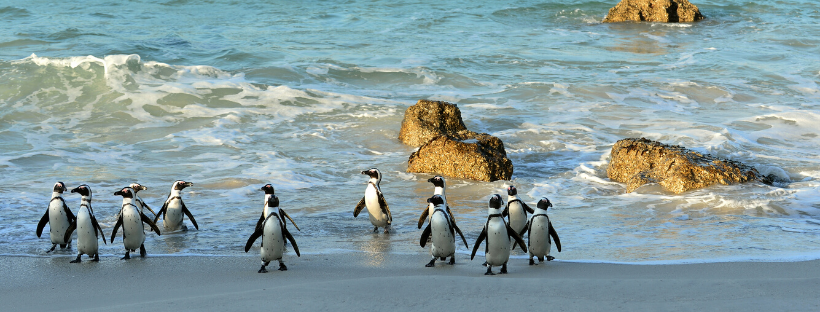
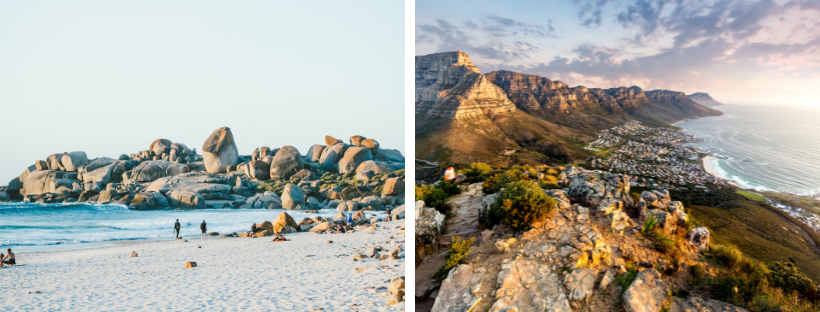
I’ve just returned from some much needed family downtime in Cape Town. We spent a few nights out at Tintswalo Boulders, a perfectly located hotel for the beach, penguins and seeing the Cape Peninsula. Our friends from the UK joined us and we enjoyed the hospitality of the staff, the views from the balcony and pool, and the sumptuous food. It’s perfect for families or couples and as an overnight stop on a peninsula tour. 

Happy travelling in 2022!

Diana

Sign up for more newsletters like this here: https://mailchi.mp/2e4afa50d15f/leopard
2021 in Review

What a year it’s been. 

It is hard to look back on it without mixed feelings. The start of 2021 was one of the toughest periods for Leopard, filled with a lot of doubt and uncertainty about the future. July to November, in contrast, was filled with new team members, new suppliers, new destinations (Rwanda and France!) and most importantly new clients and new holidays to plan. It was a record breaking period, with so much to be grateful for. And then omnicron hit, and with it worldwide panic and travel bans imposed (unfairly I might add) on Southern African countries. The travel bans have created huge uncertainty and have been extremely difficult for our clients, our partners and ourselves. As I write this newsletter, we do not know whether onmicron is a more or less deadly variant. All indications point to it being less deadly, but we will have to wait and see. 

And what has 2021 been like for you? Perhaps you missed important celebrations, and had enforced time away from your nearest and dearest. Birthdays, milestone events and anniversaries passed me by this year. And this has left me with a great desire to reconnect to my loved ones in 2022.

If one of your goals for next year is to celebrate an important occasion, or to reconnect with your favourite people in a spectacular setting, or to travel more while you can, why not let the team at Leopard help you plan a holiday that you will remember forever?

I remember the year I fell in love with travel. It was 1996 and I was about to turn 15. I travelled to London to visit my father’s family and since that moment I became fascinated with experiencing the world beyond what I knew. Until very recently, I had no idea it was possible to combine my love of travel with my actual job. Since starting Leopard, my days have been filled with tremendous satisfaction and enormous challenge in equal parts. Every day I wake up and do my dream job, and who gets to say that? As we reach the end of 2021, I would like to remind myself of all that I have to be grateful for. 

We put together a fun video of the big moments for Leopard in 2021. You’ll find it at the end of this email. Please enjoy!

I wish you all a wonderful end to 2021. 

Much love to you and yours,

Diana

P.S. If you would like to spoil yourself or your beloved with the gift of travel, get in touch and we will put together a beautiful trip plan to leave under the tree. 

In this video we take a look back on the highlights of 2021.

Sign up for more newsletters like this here: https://mailchi.mp/2e4afa50d15f/leopard
The Spring Issue

Green is the colour of spring and the sign of new growth in tourism. 

The first signs of travel recovering coincided perfectly with spring in South Africa. I particularly love spring here because after the first rains, the trees start getting fresh green leaves, grass reappears on bare ground and most special of all, many antelope species give birth to their babies. I just love the abundance of baby impala you find on a safari in September and October. Predators love spring too because suddenly there is a bounty of easy meals. Just as spring arrived in the highveld this year, we saw the first green shoots of tourism returning and the demand for tailor made holidays from Leopard is higher than ever. 

In the months of September and October, we had over 100 people (families, couples, groups of friends) book and pay for a holiday with Leopard. Most of these holidays are to be taken in the next 6 months, so people are showing a strong preference to travel as soon as they can. The Leopard team has been exceptionally busy, but we are not complaining after two lean years. In fact, we are celebrating and hoping that we can continue at this pace during in the coming months. 

Charles Howie who recently joined the team, visited 10 lodges in Kruger during September and together we visited Welgevonden and Lapalala Wilderness. I was particularly impressed with Lapalala Wilderness. We had some incredible sightings there. Lapalala had no predators until recent years when lion, cheetah and wild dog were reintroduced. The predators are what attract most people, but we had some beautiful sightings of herbivores too.

We were lucky to see the incredibly rare Roan Antelope, but in unfortunate circumstances. The roan had a newborn baby with her which had sadly been caught and eaten by two cheetah brothers called the Dinokeng brothers. We arrived just after the kill and saw the cheetahs devouring the baby. A big male lion arrived on the scene and chased away the mourning mother Roan, but did not find the cheetah brothers on their kill. The lions at Lapalala were obtained from the Kgalagadi and have their strong genes and beautiful black manes. As I sat on our open safari vehicle, this massive male lion looked directly at me and held my gaze with his golden cat eyes. I found this an unforgettably moving and primal experience. 

In Lapalala we stayed at Tintswalo Lapalala and Noka Lodge. If you love a traditional bush experience in luxury canvas tents, then Tintswalo is for you. If you love spectacular views, technology and modern architecture then you will adore Noka Camp. 

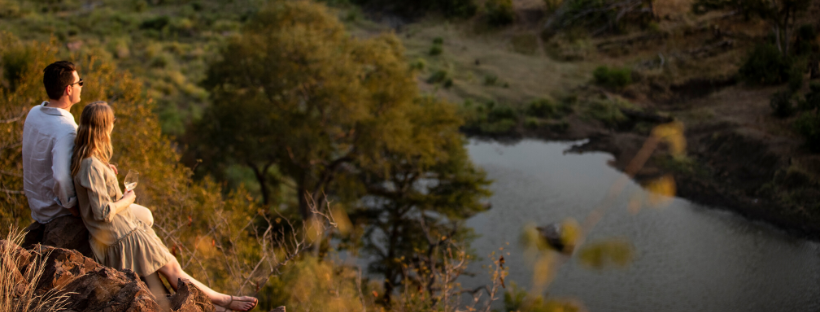
One of our clients took her husband to Noka Camp for a special occasion and filmed this video there

See you soon and happy travelling!

Diana

P.S. If you would like an exceptional South African wine purchasing experience, I highly recommend Singita Wine Direct. I have used them twice now, after visiting their maturation facility in Stellenbosch and I can say that they are undoubtedly the best in the business. Better yet is to visit their luxury lodges in Africa and taste their gorgeous wines in an incredible setting! Contact us for more information. 

Sign up for more newsletters like this here: https://mailchi.mp/2e4afa50d15f/leopard
The France Issue

Leopard can now design your dream French holiday. 

It’s been a while crocodiles! I didn’t manage to get an August newsletter out to you because it has been crazy busy around here. I hope this one makes up for it!

One of the projects we have been furiously working on is the launch of Leopard France. I am happy to say the website is live and we are ready to take your enquiries and bookings. 

France is an exciting holiday destination and needs no introduction to most people. From the icons of Paris to the exceptional food & wine, the beautiful lavender fields of Provence and the sparkling Mediterranean sea on the French Riviera, France has enough to make anyone happy.

My colleague, Daphnée spent her summer finding the best places to visit and stay in St Tropez, Paris and the champagne region. She did an amazing job of unerthing the perfect hotel to suit all budgets and travel styles, visiting over 40 hotels and guesthouses all over France. From the chic Monsieur George on the Champs- Élysées to MUSE St Tropez, and Le 25bis, a converted 18th century residence in Epernay, we will find your perfect hotel match. 

On the Leopard France website, you will find four inspiring holiday plans: Fragrances of the south, which includes Provence & Côte d’Azur; Classic France, which includes Paris, the Loire Valley and Reims; the Gastronomy Route, which includes Bordeaux, Pays Basque and Dordogne; and Winter Wonderland for skiing holidays.

As always, these trips are fully customisable to your needs. Please contact us to book your next French holiday!

We are proud to announce that after an extensive selection process and rounds of interviews, Leopard was selected for the Enpact Programme which provides relief funding, training, mentorship and market access opportunities to South African travel companies. It is funded by the German government and we are very grateful for their support. 

The third piece of exciting news this month is that we have a new team member, Charles Howie, who joined the team in August. Charles is an expert in all things safari and Southern Africa. We are fortunate to have someone with his experience as part of the team. You can read more about Charles on our website. He is standing by to plan your dream holiday!

Happy travelling!

Diana

Sign up for more newsletters like this here: https://mailchi.mp/2e4afa50d15f/leopard
The Richtersveld Issue

The Richtersveld is an adventurous wilderness escape like no other. 

The Richtersveld is not easy to get to. It is at least two long days of driving from Cape Town, or three days if you would like to take it slower. Our overnight stop was just outside Springbok but stopping in Springbok meant that the next day’s drive into the Richtersveld was long and tiring. If I did it again, I would overnight at Port Nolloth or even in the tiny communites of Lekkersing or Kuboes.

Part of the attraction of the Richtersveld is its remote location. This, combined with some of the most spectacular landscapes I’ve ever seen, makes it exceptional. The environment is extremely harsh – dry, hot and windy. Any life form that survives here is highly adapted to this habitat. We stopped frequently to get out of the car and marvel at the plant life around us. The Succulent Karoo biome, which the Richtersveld forms part of, is internationally recognised for its biodiversity. Below is a small selection of the plant species we saw. 

Flora in the Richtersveld

If we weren’t stopping to look at plants and stones, we were stopping for the magnificent views. The landscape changes dramatically from one part of the park to the next. For this reason, it is a good idea to stay in at least three of the camps. Distances between the camps are short but driving time is usually much longer than expected due to the arduous terrain, which is suitable for 4 x 4’s only. Some of the roads are technically difficult driving, so be prepared to use the full range of capabilities on your 4×4. Domorogh Pass was by far the most difficult pass we drove. It is steep, rocky, narrow and extremely slow going. 

Dramatic views are literally everywhere. They are not easily captured on camera but the unusual granite rock formations in and around Kokerboomkloof make great photographic subjects. The Tatasberg Mountain viewpoint, on the way to the Kokerboomkloof campsite, is a completely wild and and breathtaking place, and is pictured above and below. 

Tatasberg Mountain

I loved the campsites at Kokerboomkloof. We scrambled to the top of the boulders surrounding our campsite and watched the sun go down over this beautiful valley, content with the world and our place in it. In the evening, we marvelled at the net of bright stars covering the sky. The valley is one of the hottest places in the park, with summer temperatures reaching 50 degrees celsius, so visits are only possible in the winter months.

Campsite at Kokerboomkloof

We stayed at three other camps in the park: Sendelingsdrift, Tatasberg and De Hoop. Tatasberg was beautifully set along the Orange River with stunning views towards Namibia. The basic huts offer the luxury of a solar powered fridge, lights and hot water. We woke up early to do a small trail run and were greeted by a beautiful rainbow, a sighting as rare as they come here in the desert. I also saw and heard a Goliath Heron flying slowly up river calling its distinctive and unusual barking call. 

De Hoop was the most popular of all the camp sites. It is situated along the banks of the Orange River where the river widens and flows less strongly, so swimming is pleasant. I took a dip after my morning run, but it was freezing cold so I didn’t stay in for long. De Hoop was our last stop so the lush green vegetation along the banks of the river was a sight for sore eyes after the rock and sand everywhere else. The nomadic Nama pastoralists herd their goats and sheep along the river every morning, and back in the afternoon. There are a maximum of 6,600 small stock units allowed in the park and these limits need to be maintained in order to ensure sustainability of resources. 

Tatasberg camp and De Hoop campsite

Unfortunately you cannot avoid Sendelingsdrift because you need to get your park exit permit there. But I recommend the shortest possible stay there. It is the headquarters for the park, has a border crossing with Namibia (via pont) and is also a mining town. The surrounding environment has been completely ruined by diamond mining. I place very little value in diamonds and don’t own any except my grandmother’s engagement ring. So I was outraged to see how diamond mining has destroyed much of the west coast of South Africa, especially the area between Port Nolloth and Alexander Bay and the Orange River at Sendelingsdrift. The national park says that they have an agreement with the mining company to rehabilitate the environment but I am not sure whether that is actually possible. Even if you don’t care about the mining, I don’t suggest staying long at Sendelingsdrift because you will be woken before dawn by mine workers starting work and mine trucks driving past the campsite.  

Richtersveld Trip Video

There are a few things to be aware of if you are planning a trip to the park. There is no cellphone reception except in Sendelingsdrift. You can refuel at Sendelingsdrift and it is best to carry extra fuel with you. You have to carry your own water to drink and cook with, and require 5 litres per person per day, minimum in winter, and in summer you will likely need more. You need to remove all your own rubbish from the park. There are some dangerous snakes and scorpions in the park and a bite from a puff adder is a serious medical emergency that requires immediate attention. It is not advisable to walk around without shoes after dark, or sleep on the bare ground, for this reason. 

The roads to enter and exit the park are in universally bad condition, however we found the road from Alexander Bay into the Richtersveld worse than others due to long sections of deep and numerous corrugations. We drove back via Lekkersing which was a better quality road but still slow. Another option is to go via Kuboes and Vioolsdrif. 

If you would like to plan a trip to the Richtersveld, we would be happy to help, so please get in touch!

Happy traveling,

Diana

P.S. This month, I would like to highlight our podcast episode with Jo Buitendag from PAST Experiences. She talks about another off the beaten track destination for tourists – Johannesburg! Have a listen on our website

P.P.S If you want to read about the second part of this trip, our visit to the Namaqualand, take a read on our blog here: https://leopard.voyage/2021/06/28/the-namaqualand-issue/

Sign up for more newsletters like this here: https://mailchi.mp/2e4afa50d15f/leopard
The Namaqualand Issue

Namaqualand, a place of desolation and magic. 

The Northern Cape is the largest and most sparsely populated of South Africa’s provinces. The arid climate and huge driving distances mean few visitors venture this far afield. On a recent trip to the area I discovered it is a place where the inhospitable climate is contrary to the warm hospitality of the people. 

Namaqualand is magically transformed into carpets of spectacular wild flowers from August to October. While this is the main attraction of the region, I visited out of season and found there was lots more to appreciate. On my way north, I stopped at Naries Namaqua retreat, a unique and secluded refuge, just outside Springbok. It makes an excellent stop on the long journey from Cape Town to the Richtersveld. The thatched Mountain Suites, build into the surrounding rock are the best spots to nab for their unique design and for wonderful sunset views.

Naries Manaqualand

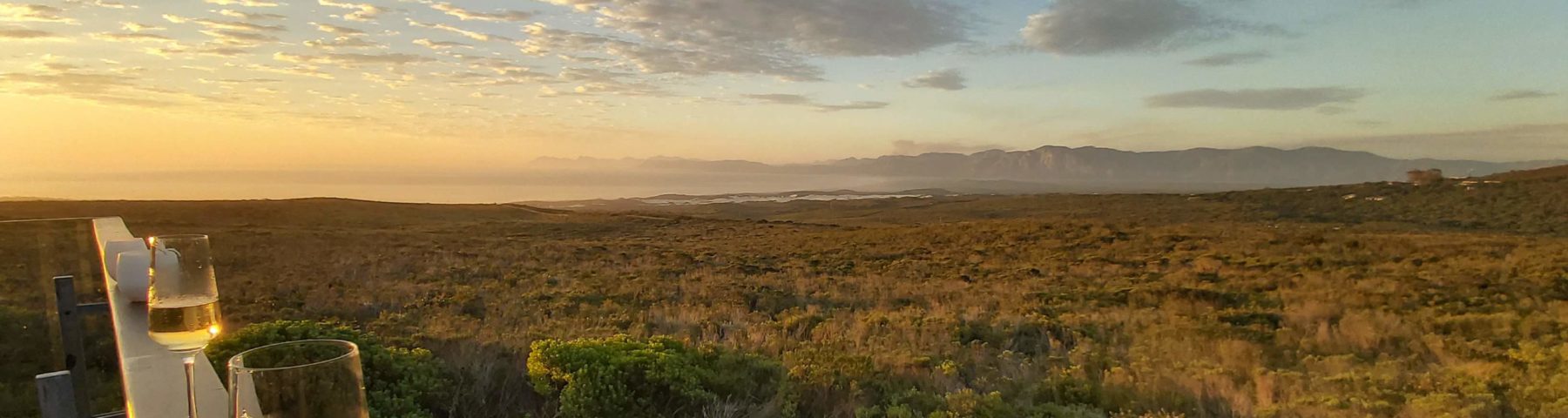
On my way back south, I stayed at Skilpad Rest Camp in Namaqua National Park. The cottages were basic, but felt like splendid luxury after the harsh conditions of the Richtersveld. They have incredible views as you can see from the sunset picture at the top of this email. To get to the coastal section of the park, you will need a 4×4 and be prepared for a windy experience.

Birdwatching, Namaqua National Park

It was great to do some birdwatching while I was there. I didn’t keep a list but I saw a number of interesting birds around Skilpad. There is an easy 4km hike to do from reception. If you take your time you’ll find many interesting plants, birds and insects to observe. 

Koeroebees

The abandoned farmsteads at Koeroebees made interesting photographic subjects. The thick walls and small windows reminded me of old farmhouses I had seen in the south of France where it also gets hot and windy. Koeroebees is a Nama word meaning “digging water” after the two perennial fountains, the only constant source of water in the area.

A stay at Naries or Namaqua National Park makes an excellent stop over on your way to or from the Richtersveld from Cape Town. Ideally you want to stay in flower season, but it is enjoyable at any time of year.

On the subject of flowers, take a listen to our episode with botanist Sean Privett on the fynbos and Cape Floristic Region. You can listen find it on your favourite podcasting platform or press play on our website

Happy travelling,

Diana

Sign up for more newsletters like this here: https://mailchi.mp/2e4afa50d15f/leopard
The Mapungubwe Issue

Mapungubwe, a place of cultural and geographic significance, and incredible scenic beauty. 

I recently took a trip to the northernmost part of South Africa.  Mapungubwe National Park is located at the confluence of the Limpopo and Shashe rivers. From the lookout deck in South Africa you can see where the two rivers meet and you can peer into our neighbouring countries: Botswana and Zimbabwe. 

After a long drive from Johannesburg, we were welcomed to our camp in the most spectacular way. A herd of about 20 elephants was making its way through the unfenced camp and came within a stone’s throw of our cottage. My 3 year old boy was giddy with excitement. There may be better things in life than this, but not many. Although I don’t usually recommend unfenced camps for families with young children, we loved our stay at Leokwe. The setting was breathtaking and the family cottages were best situated with great views over the sandstone hills and adjacent to the swimming pool. 

The striking rock formations, sandstone hills and enormous baobab trees give the park a real scenic beauty. We visited Mapungubwe with friends and so we were able to split the group, allowing two of us to do the walk to Mapungubwe Hill. Children under the age of 16 are not allowed on the walk, so the dads stayed behind to babysit. The first people to settle at Mapungubwe were early Iron Age settlers. They lived there from about 1000 AD to 1300 AD. Like the societies of Thulamela and Great Zimbabwe, Mapungubwe was structured along social classes. The kings and queens lived on top of the hill and the commoners lived below. The most famous artefact discovered in a grave at the excavation site is a beautiful gold-plated rhino which can be seen at the Interpretation Centre. 

Mapungubwe is a place that exceeded our expectations and is highly recommended for those who like to go off the beaten track. 

If you have not yet listened to our podcast, you can find it here. This month, I would like to highlight the episode with Les Carlisle. He is the conservation manager for &Beyond and has decades of experience in conserving our wildlife. He had me in stitches over a story of rhino capture from his early days in the field. He also had the best explanation I’ve heard on why rhino horn is still greatly desired in the east. Indulge yourself and take a listen to this wonderful episode!

The most exciting news from the past month is that we have a new team member! Daphnée Filliette joined the Leopard family in May and she is ready to help you plan your next holiday. Daphnée has spent the last 5 years in the travel industry and is a dynamic and methodical person with a passion for creating tailor made holidays for clients. You can read more about her on our website

Happy travelling,

Diana

Sign up for more newsletters like this here: https://mailchi.mp/2e4afa50d15f/leopard
The Podcast Issue

In South Africa, our diversity is our greatest asset. 

Nowhere else on the continent can you visit world class vineyards, go on safari, and encounter penguins in the beautiful city of Cape Town in the same holiday. Our diversity also extends into our food, art & culture, and people. 

In the first season of the Leopard podcast, I interview 8 people from different backgrounds and professions. These passionate people share what they love most about South Africa. From their secret beach spots to photographic tips and entertaining stories from the early days of conservation, my guests generously share their knowledge and give listeners a unique perspective on what South Africa has to offer. 

We start with Scott Ramsay who, many years ago, quit his office job to become a landscape and wildlife photographer. He famously did “A Year in the Wild”, which became 3 years continuously exploring our wilderness areas. Ngoni Mtizwa, a distinguished sommelier from Singita shares his knowledge about South Africa’s world class wines and how to make wine tasting less intimidating and more fun! Then Jo Buitendag tell us stories from Joburg. She talks about our famous residents Nelson Mandela and Oliver Tambo with as much respect as the graffiti artists and the everyday people she encounters in the city.

Les Carlisle, one of the foremost conservationists of our time, speaks of the plight of our iconic wildlife, mixed with some delightful stories of his time in the field. DuduBloom More tells us of her journey as a young black female artist in South Africa. She gives us insights into her abstract art and her creative process. I haven’t met a more passionate marine biologist than Pavs Pillay. She speaks about the sea creatures who inhabit our waters with a real enthusiasm and love.

Sean Privett describes a little known aspect of our biodiversity, our flora: specifically the Cape Floristic Region. His story about the ecology of the pincushion, clearly explains the interconnectedness of components in an ecosystem, and why we should care about preserving our flora. Chef Marnus Scholly, loves nothing more than the evocative smell of coffee and freshly baked bread. He talks about the launch of Klein Jan, a fine dining restaurant in the remote destination of the northern cape. 

Voilà! I hope you enjoy listening as much as I enjoyed creating! You may listen to the podcast on your favourite platform (linked here) or on my website (linked here). 

I hope this inspires you to travel to South Africa. And if it does, we are waiting to hear from you!

Happy listening,

Diana

Sign up for more newsletters like this here: https://mailchi.mp/2e4afa50d15f/leopard
The Gorilla Issue


The ultimate wildlife experience, Mountain Gorilla trekking in Volcanoes National Park. 

Mountain Gorilla trekking in Volcanoes National Park in Rwanda is one of the most treasured wildlife experiences of my life. Earlier this month, after a briefing at park headquarters, a short drive to the entrance of the park and a vigorous hike through dense bush, I was suddenly surrounded by a gorilla family.

What makes the experience so unique is that you are transported to another world as you become part of the gorilla family for a short time. You are there on their terms. They can always choose to walk away, and they walk MUCH faster through the forest than humans can. I think a gorilla trek is the perfect compliment to a traditional African safari where you will see our other iconic fauna – lion, elephant, leopard, rhino – but always from behind a physical barrier because these animals are just too dangerous to get close to on foot. I cannot find the right words to describe the experience of seeing the gorillas in such close proximity, except perhaps awe-inspiring. 

To do a gorilla trek in Rwanda, you need 3-4 nights. Seeing one of the troops of habituated Golden Monkeys in the same National Park is a worthwhile addition to this. If you want to add a third primate experience to your holiday, a stay in Nyungwe Forest, to see the chimpanzees can done in a 5-6 day trip. I visited the Genocide Museum in Kigali and thought it was very well done, with an excellent audio guide, although I found it distressing to see what occurred during the genocide in 1994. Rwandans today are firmly looking to their future while remembering the horror of their past. 

Volcanoes National Park is named for the chain of 5 volcanoes that make up the national park. The park extends into two neighbouring countries: Uganda and the Democratic Republic of Congo. There are currently 17 gorilla families on the Rwandan side, and some of these families are habituated for visits by tourists, others are monitored for research purposes. When you arrive at the Park Headquarters, you are assigned a gorilla troop to visit. The trackers head out early in the morning to find the different groups. It helps to have a guide who knows the park rangers well so that you are assigned a group appropriate for you. They will take into account your level of fitness, age and other factors when assigning you a group. I was assigned Agashya’s group. The family is named after the dominant silverback, Agashya. His name means something special, and his estimated age is 34 years old. There are 4 silverbacks in the family and a blackback. A blackback is a gorilla whose back is about to turn silver, which happens at around 12 years of age. There are currently 23 individuals in his family, including a 5 month old baby which was the cutest thing I have ever seen. After being assigned a group, you drive with your guide to the starting point and start walking.

The ranger is in constant contact with the trackers so he has a rough idea of where the gorillas are located. There are a few buffalo and elephant tracks in the forest but mainly you are walking through thick forest and mud. When you get close, you leave your backpack with one of the trackers and only take your camera with you. You are allowed to spend 1 hour with the gorilla troop. I was incredibly fortunate to be the only person on the trek. A private tour usually costs USD 15,000, so there are a few advantages to travelling out of season. You need to present a negative Covid test before the hike and wear a mask in the presence of gorillas. They are susceptible to all respiratory diseases and so you must take care not to pass on any diseases. You are also not allowed to touch the animals and need to keep a physical distance of 10 metres. 

I did a number of hotel visits the following day so that I can expertly advise my clients on the most appropriate accommodation for them. On my final day, I did the Golden Monkey trek, which was physically easier because the monkeys stay in lower altitudes on flatter terrain. The troops are much bigger, with around 100 individuals, and it is a truly delightful experience not at all similar to the adrenalin of the gorilla trek. 

Rwanda is an easy country to travel to. The people are the kindest and gentlest I have met. The food is excellent, and mainly vegetarian. The country is small and densely populated so people grow vegetables in every little corner they can find. The food was always fresh and I especially loved the fresh fruit juices made from passion fruit and tree tomato.

There three things to remember about gorilla trekking. It is expensive (permits are USD1,500 per person), you need to be over 16 years old to trek and you need to be fairly fit and adventurous to enjoy it. 

If you would like to plan a primate holiday, please get in touch!

Happy travelling,

Diana

P.S. Pictures are much better than words to explain the gorilla experience. Thanks to a good camera, I managed to take some lovely photos which you can see on the Leopard Facebook page by clicking here.

Sign up for more newsletters like this here: https://mailchi.mp/2e4afa50d15f/leopard